Explore Pink City
Attractions in
Jaipur
Explore magnificent forts, royal palaces, colourful bazaars, historic observatories and peaceful temples that reveal Jaipur’s architecture, craftsmanship and vibrant royal character.
Amber Fort
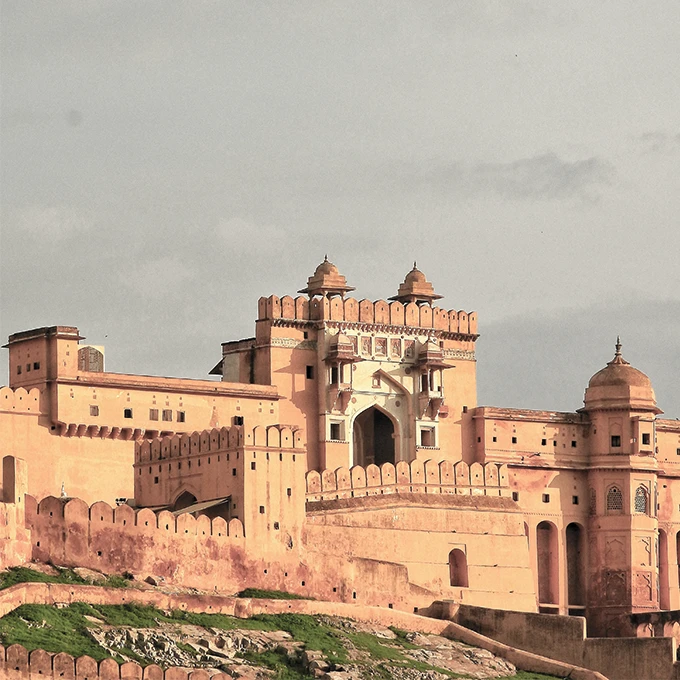
Set on a hill overlooking Maota Lake, Amber Fort is one of Jaipur’s most impressive landmarks. Its courtyards, gateways, audience halls and mirror-filled chambers combine Rajput and Mughal influences. Visitors can explore the palace complex, admire detailed artwork and enjoy wide views of the surrounding Aravalli landscape.
City Palace
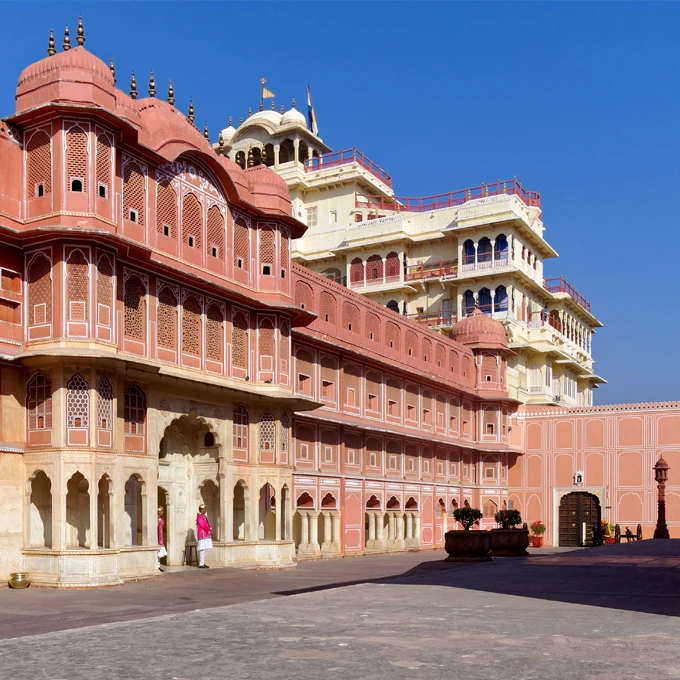
Located within Jaipur’s historic walled city, City Palace remains closely connected with the city’s royal heritage. The complex includes elegant courtyards, gateways, museums and palace buildings displaying textiles, weapons, paintings and ceremonial objects. Its architecture offers a refined blend of Rajput, Mughal and European influences.
Hawa Mahal
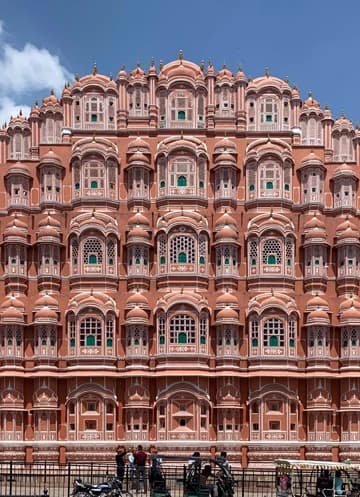
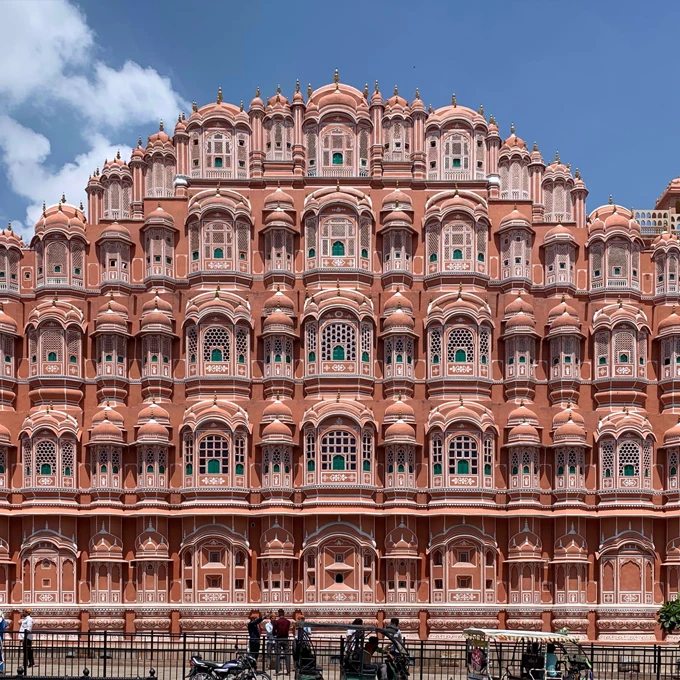
Hawa Mahal is Jaipur’s most recognisable façade, known for its rows of delicate latticed windows. Built so royal women could observe street life privately, the five-storey structure overlooks the busy old city. Visitors can enter from the rear and climb to upper levels for interesting views across Jaipur.
Jantar Mantar
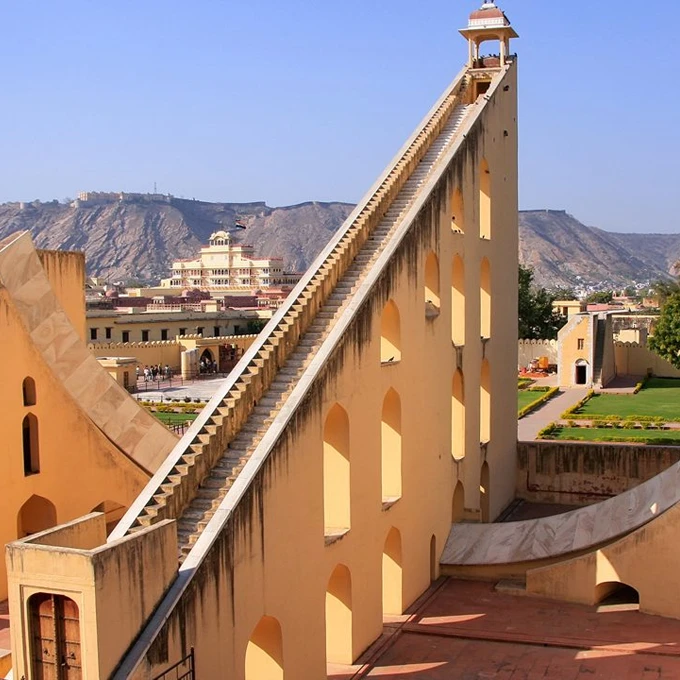
Jantar Mantar is a remarkable collection of large astronomical instruments created to measure time and observe celestial movements. Its geometric structures demonstrate the scientific knowledge of Maharaja Sawai Jai Singh II’s era. An interpretation centre helps visitors understand how the observatory’s instruments were designed and used.
Jal Mahal
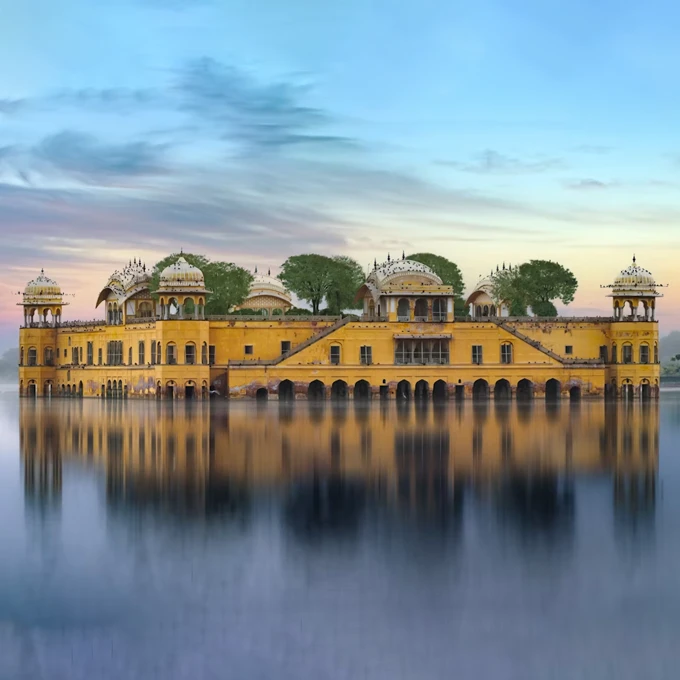
Appearing to float in the middle of Man Sagar Lake, Jal Mahal is one of Jaipur’s most photographed sights. Visitors usually admire the palace from the lakeside promenade, particularly during early morning or evening when the changing light creates beautiful reflections across the water.
Nahargarh Fort
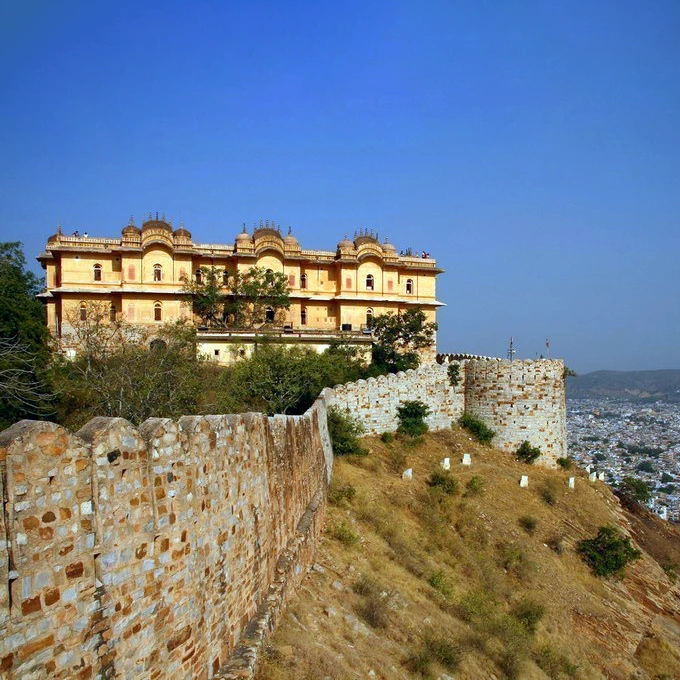
Nahargarh Fort rises along the Aravalli ridge and offers sweeping views over Jaipur. Once part of the city’s defensive system, the fort also contains Madhavendra Bhawan, built as a royal retreat. It is especially popular in the evening, when the city below begins to glow with lights.
Jaigarh Fort
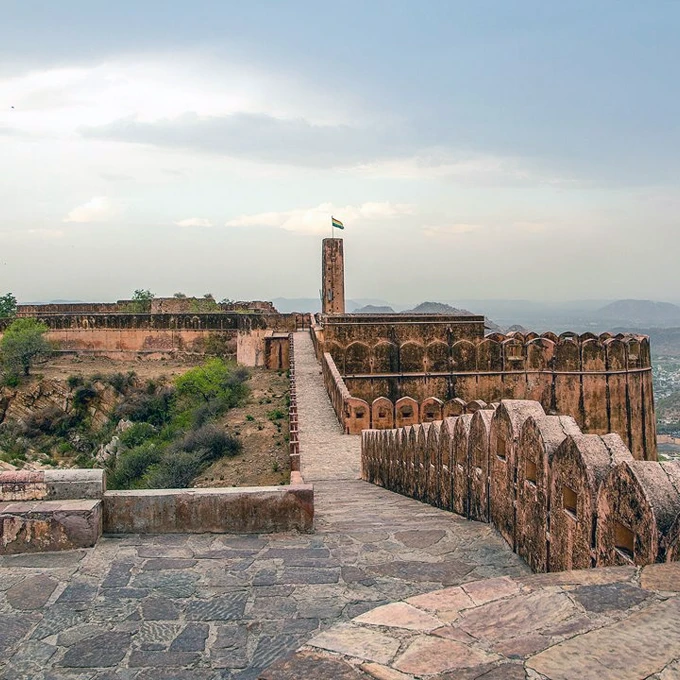
Standing above Amber Fort, Jaigarh was built to protect the palace complex and surrounding region. Its strong walls, watchtowers, courtyards and military structures reflect Jaipur’s defensive history. The elevated position also provides striking views across Amber, Maota Lake and the rugged hills beyond.
Albert Hall Museum
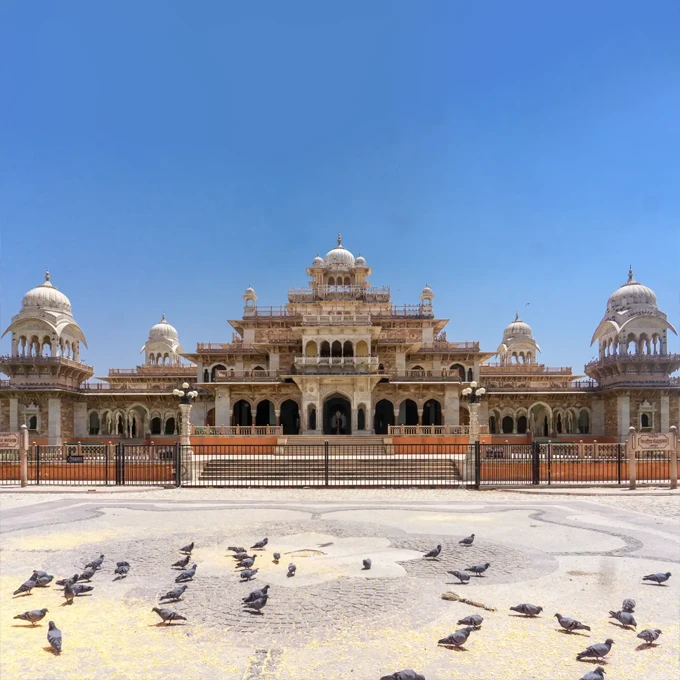
Set within Ram Niwas Garden, Albert Hall is Jaipur’s principal state museum and one of the city’s finest Indo-Saracenic buildings. Its galleries display miniature paintings, carpets, sculptures, arms, metalwork and decorative objects, offering a broad introduction to Rajasthan’s artistic and cultural traditions.
Galtaji
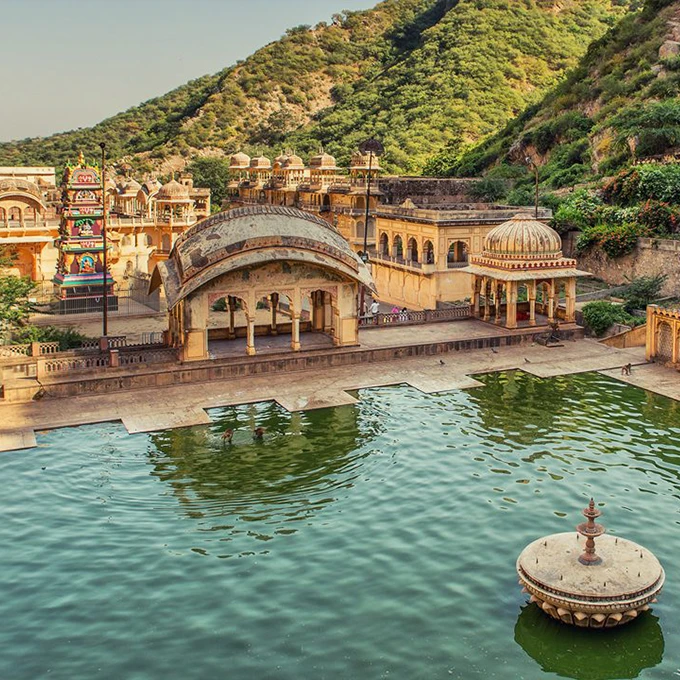
Galtaji is a historic temple complex nestled within a rocky valley outside Jaipur. Known for its sacred water tanks, shrines and natural surroundings, it attracts pilgrims as well as travellers interested in architecture and spirituality. Monkeys are commonly seen throughout the complex, giving it its popular nickname.
Birla Temple
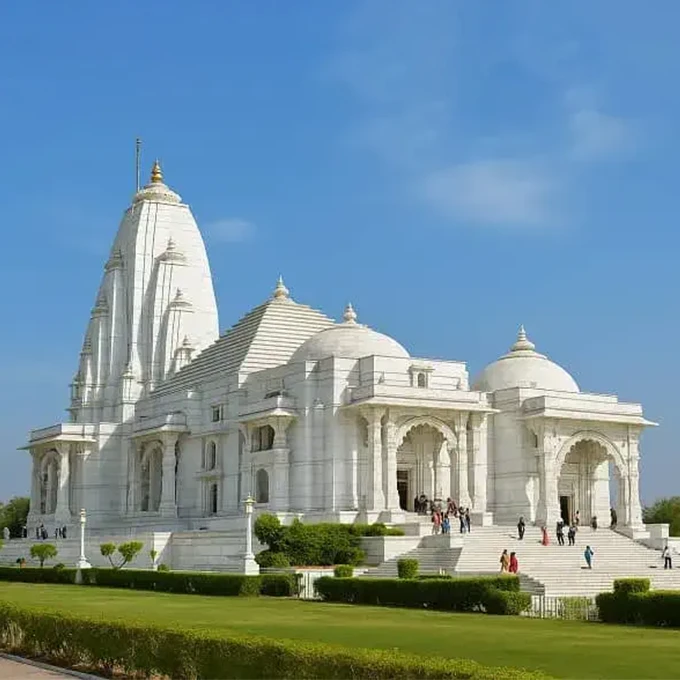
Birla Temple is a modern marble shrine dedicated to Lord Vishnu and Goddess Lakshmi. Its clean architecture, carved panels and peaceful setting beneath Moti Dungri Hill make it a pleasant stop, especially in the evening when the white marble structure is beautifully illuminated.
Gaitore Ki Chhatriyan
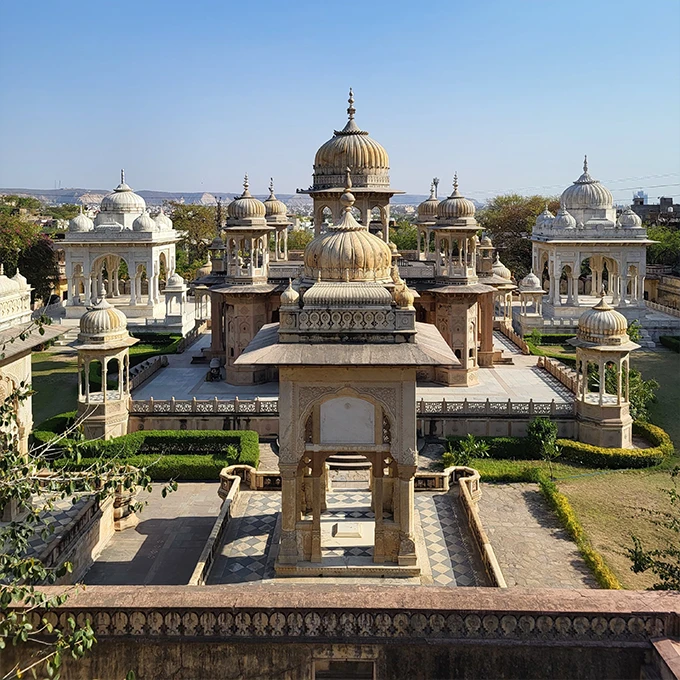
Gaitore is the royal cremation ground of Jaipur’s former rulers. Its beautifully carved marble and sandstone cenotaphs sit quietly between the hills, away from the city’s busier attractions. The delicate domes, pillars and sculpted details make it especially rewarding for architecture lovers and photographers.
Patrika Gate
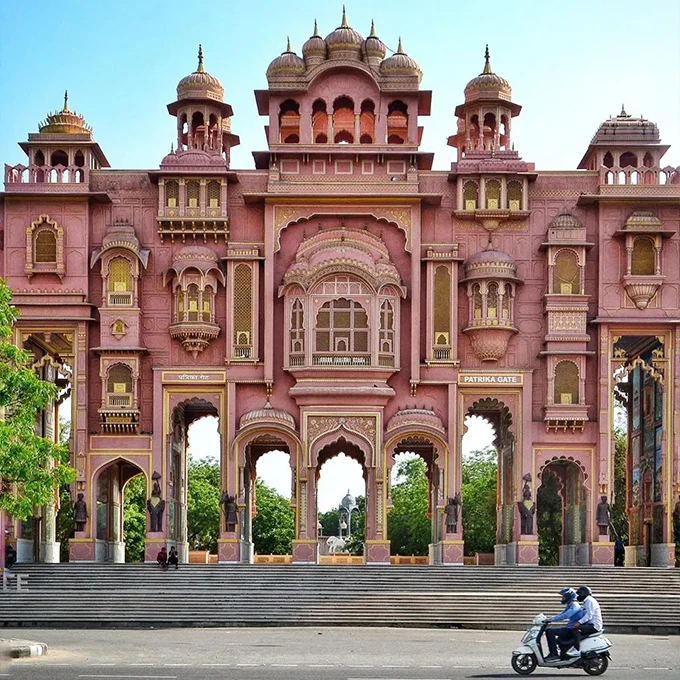
Patrika Gate is a colourful architectural landmark at Jawahar Circle, admired for its painted corridors, decorative arches and detailed artwork inspired by Rajasthan’s cities and traditions. It has become a popular photography stop and offers visitors an accessible introduction to the region’s visual culture.
Sisodia Rani Garden
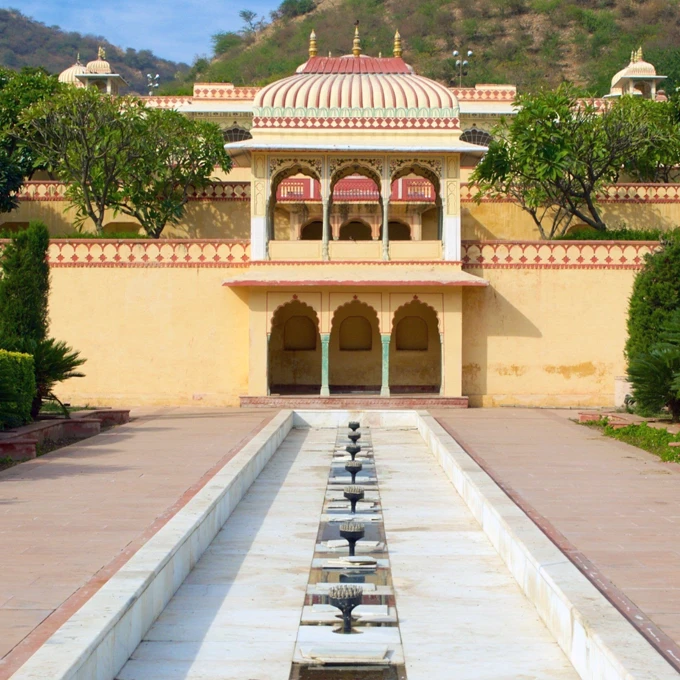
Built as a royal retreat, Sisodia Rani Garden features tiered lawns, fountains, pavilions and painted walls surrounded by hills. Its quieter setting offers a refreshing break from Jaipur’s forts and markets, making it well suited to relaxed walks and short family visits.
Jaipur Bazaars
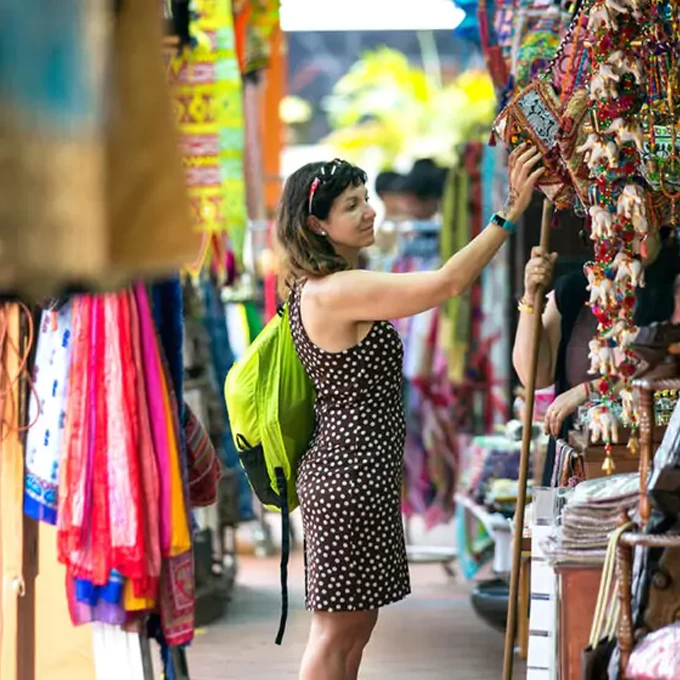
Jaipur’s historic bazaars are an essential part of the city experience. Johari Bazaar is known for jewellery, Bapu Bazaar for textiles and footwear, and Tripolia Bazaar for traditional crafts. Exploring these lively markets introduces visitors to Jaipur’s colours, flavours, workmanship and everyday street life.