Explore Blue City
Attractions in
Jodhpur
Explore mighty forts, royal palaces, blue-painted neighbourhoods, lively markets and peaceful lakes that reveal Jodhpur’s history, culture and unmistakable character.
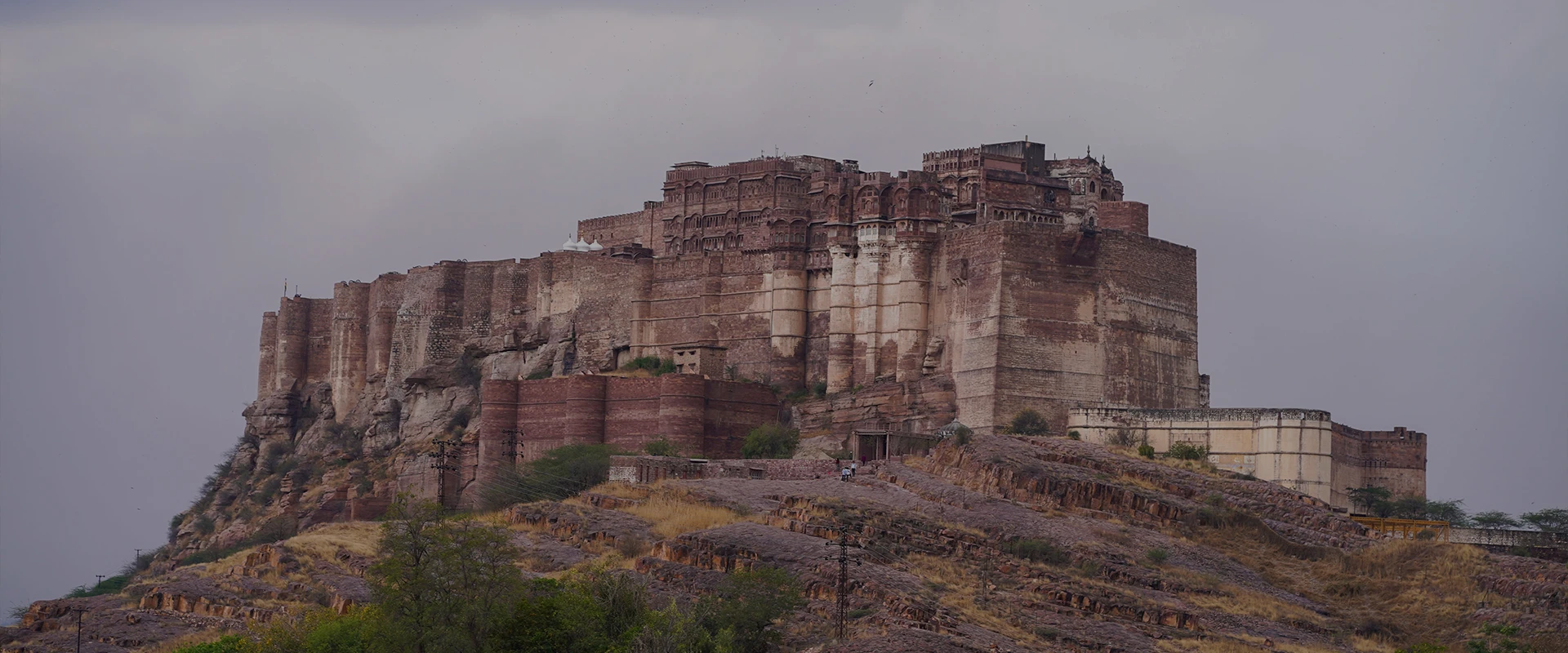
Mehrangarh Fort
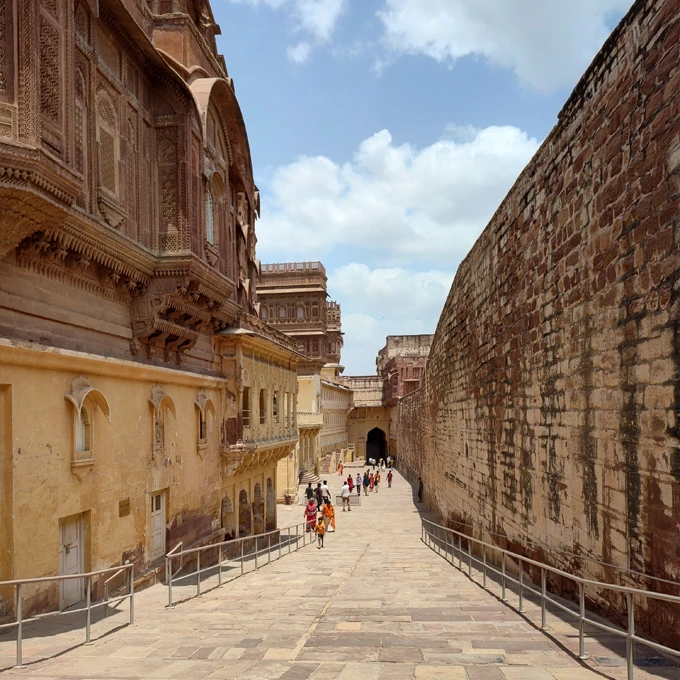
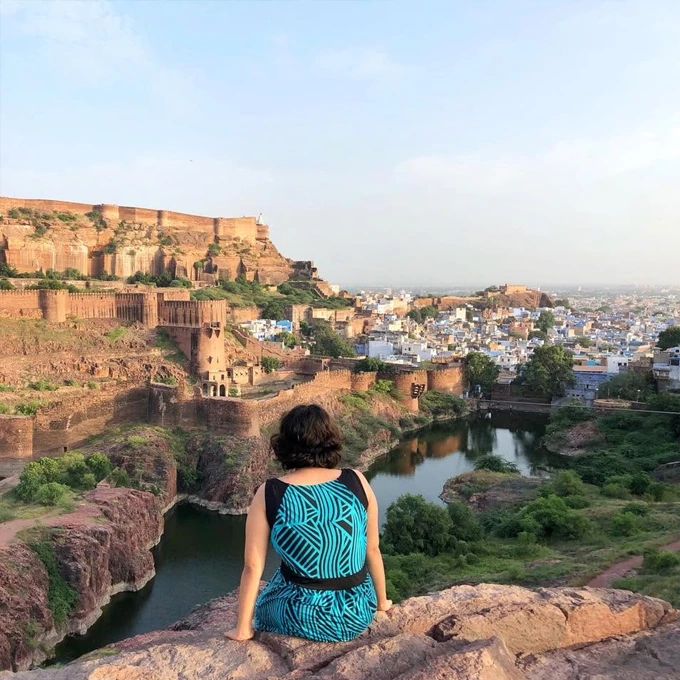
Towering above the Blue City, Mehrangarh Fort is Jodhpur’s most commanding landmark. Its massive walls enclose ornate palaces, courtyards and museum galleries filled with royal artefacts, textiles, paintings and weaponry. The terraces also offer sweeping views over the blue houses and surrounding desert landscape.
Jaswant Thada
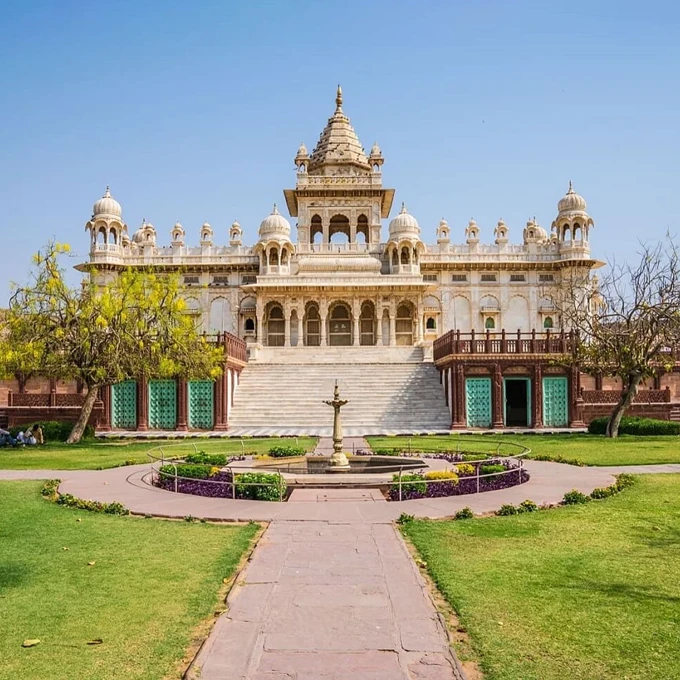
Built in memory of Maharaja Jaswant Singh II, Jaswant Thada is an elegant marble memorial near Mehrangarh Fort. Its carved architecture, peaceful garden and small lake create a calm setting away from the busy city. Portraits inside introduce visitors to the rulers and history of Marwar.
Umaid Bhawan Palace
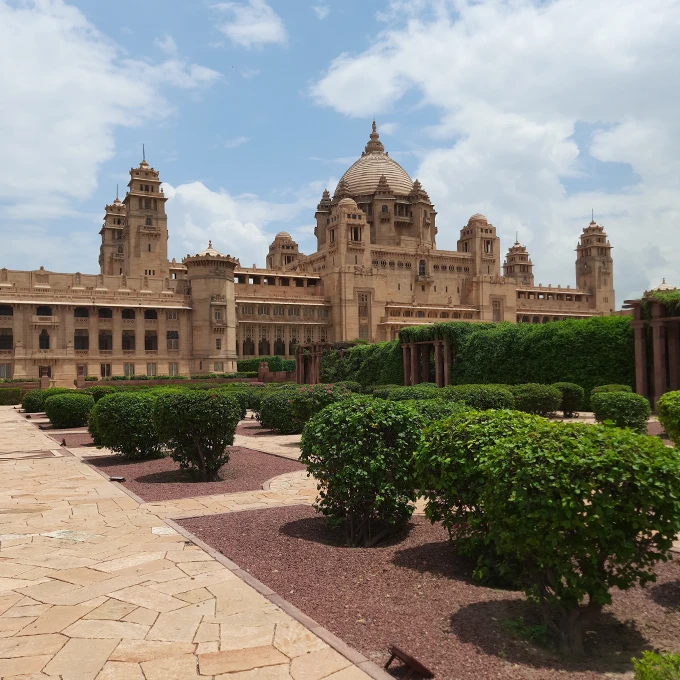
Umaid Bhawan Palace is one of Jodhpur’s most recognisable buildings, known for its grand sandstone exterior and blend of classical, Indo-Saracenic and Art Deco influences. Part royal residence and part heritage hotel, the complex also includes a museum displaying photographs, clocks and objects connected with the royal family.
Clock Tower & Sardar Market
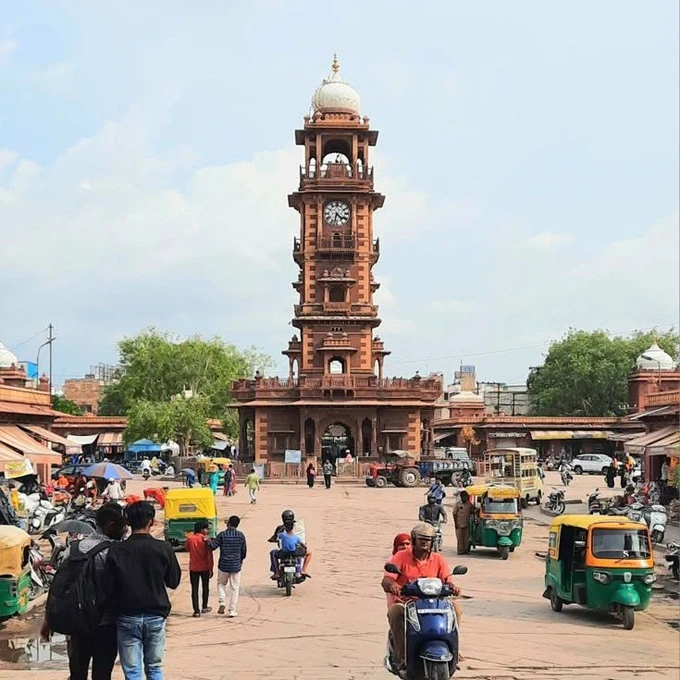
The historic Clock Tower stands at the heart of one of Jodhpur’s busiest market areas. Around it, Sardar Market fills the lanes with spices, textiles, handicrafts, jewellery and local snacks. It is an ideal place to experience the city’s everyday energy while shopping for traditional products and souvenirs.
The Blue City
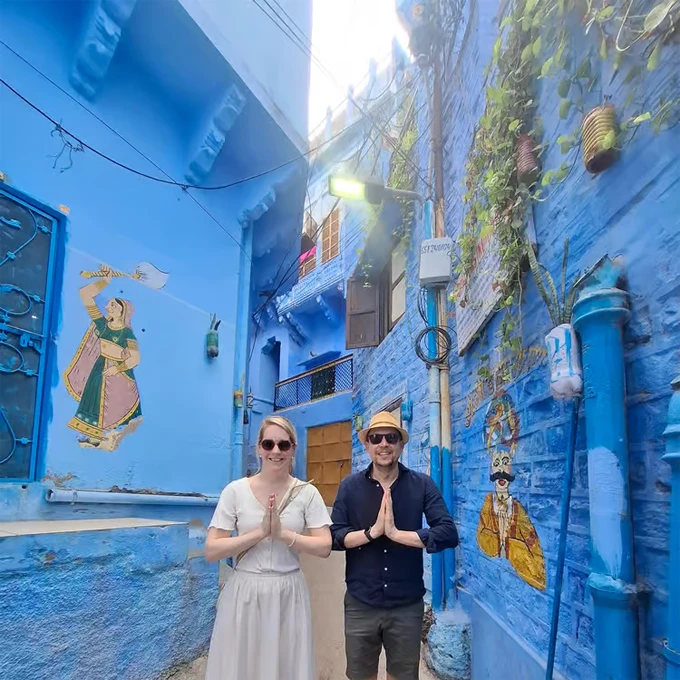
The old neighbourhoods beneath Mehrangarh Fort are known for their blue-painted homes, narrow lanes and traditional architecture. Exploring them on foot reveals quiet courtyards, shrines, workshops and everyday neighbourhood life. The area also offers some of the city’s most distinctive views and photography spots.
Toorji Ka Jhalra
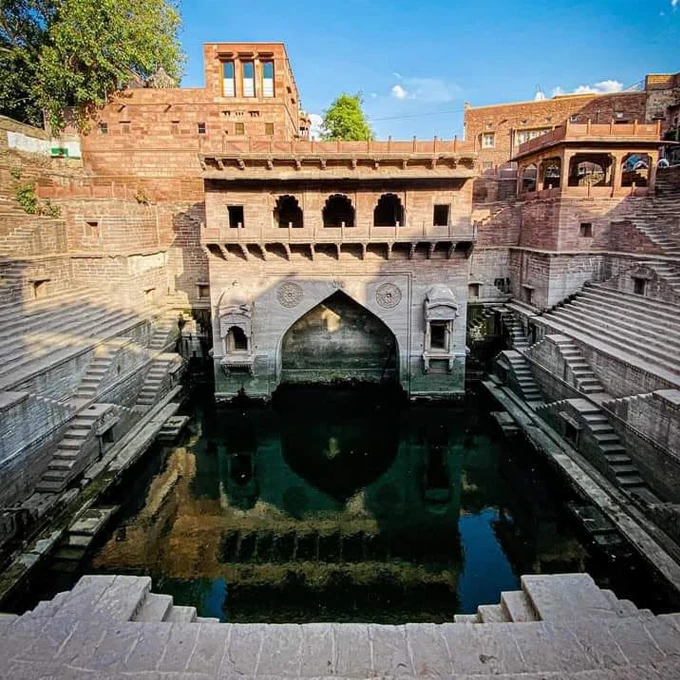
Toorji Ka Jhalra is a restored stepwell surrounded by cafés, shops and heritage buildings in Jodhpur’s old city. Its deep stone steps and geometric design reflect the traditional water-management systems once used across Rajasthan. The area is especially appealing for a relaxed walk through the historic quarter.
Mandore Gardens
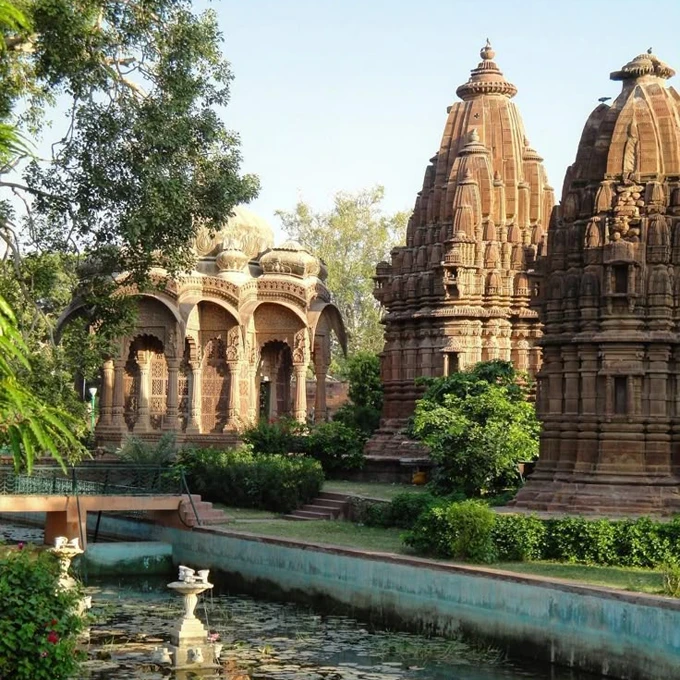
Mandore was the former capital of Marwar before Jodhpur was established. Today, its gardens contain temple-like cenotaphs, historic monuments, shrines and landscaped grounds. The site offers an interesting look at the region’s earlier royal history and provides a spacious retreat from the city centre.
Rao Jodha Desert Rock Park
Located beside Mehrangarh Fort, Rao Jodha Desert Rock Park was created to restore the natural ecology of a rocky wasteland. Walking trails introduce visitors to native plants and the rugged landscape of the Thar region, while also offering striking views of the fort and city.
Bal Samand Lake
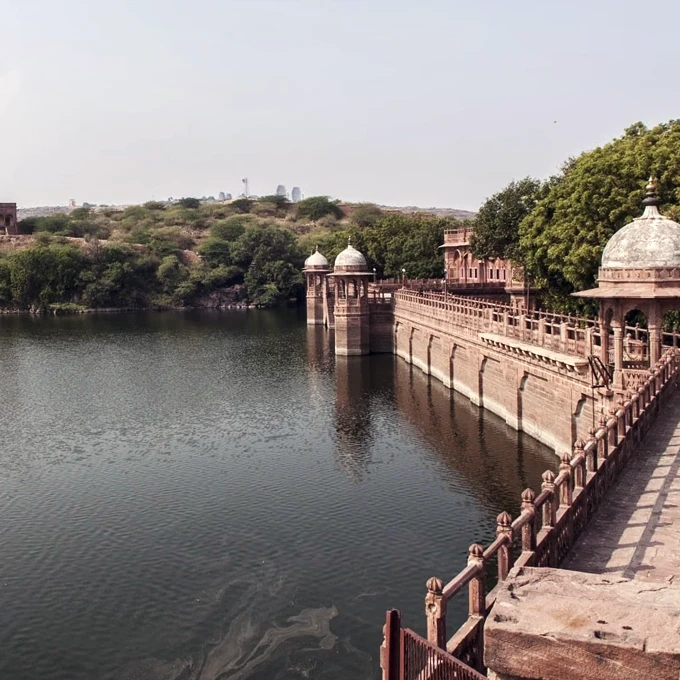
Bal Samand Lake offers a quieter side of Jodhpur, with calm water, gardens and heritage surroundings outside the busy old city. It is a pleasant place for scenic drives, relaxed walks and photography, especially for travellers seeking a slower break between forts, markets and monuments.
Kailana Lake
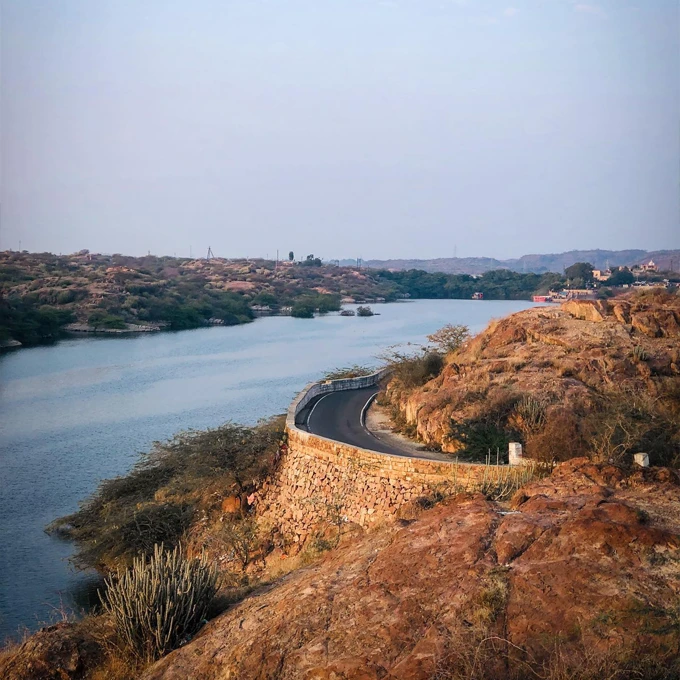
Kailana Lake is a popular sunset spot on the western side of Jodhpur. Surrounded by rocky hills and open landscapes, it provides a peaceful setting for photography and evening visits. The lake is often included in sightseeing routes covering attractions beyond the historic centre.
Chokhelao Garden
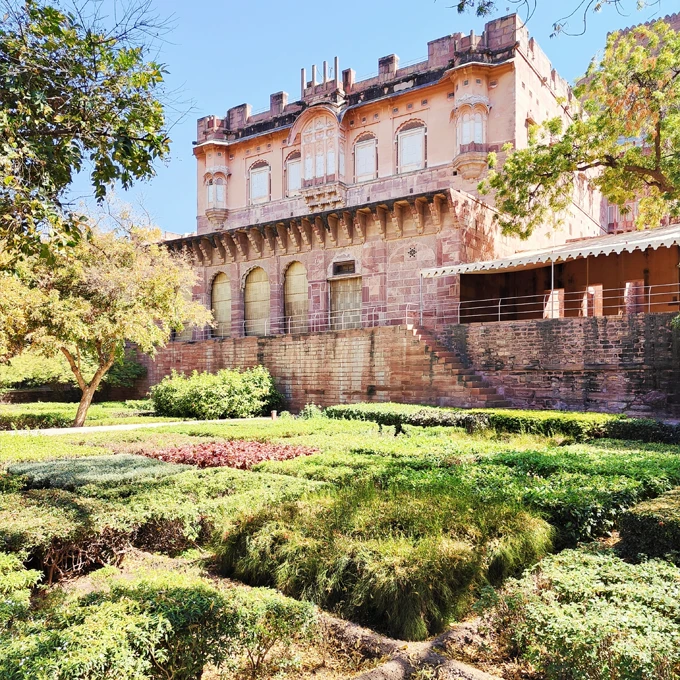
Set below Mehrangarh Fort, Chokhelao Garden recreates the character of an eighteenth-century Marwar garden. Its terraces feature native and historically significant plants, seasonal flowers and fragrant species. The garden offers a refreshing contrast to the fort’s stone architecture and can be combined easily with a Mehrangarh visit.
Bishnoi Village
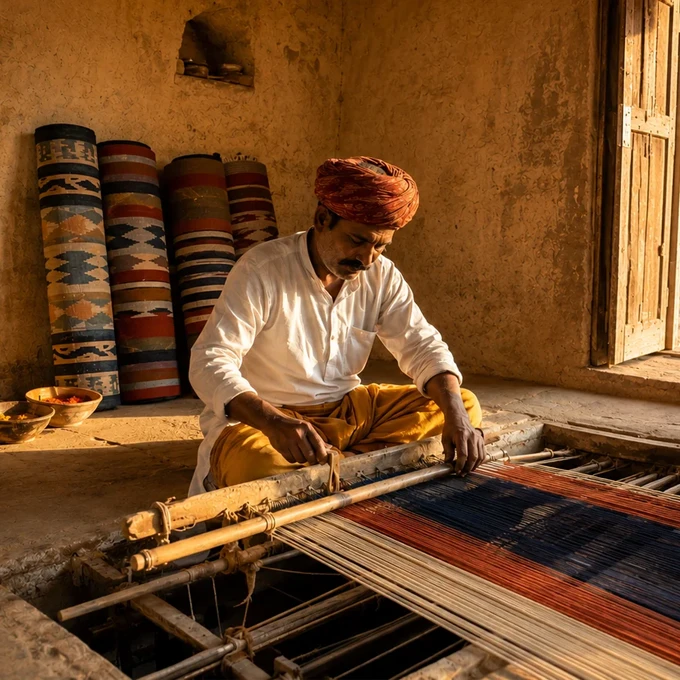
A Bishnoi village tour introduces travellers to rural traditions, local crafts and the community’s close relationship with wildlife and nature. Depending on the route, visitors may see pottery, weaving, village homes and animals such as blackbuck or migratory birds, while learning about life beyond Jodhpur city.